Spiritual development does not occur at any one predetermined moment. It deepens slowly as one awakens, as the mind heals and self-examines, and above all, as one stays in contact with one's mind, even in life's most difficult times.
For many on this path, sound bowl meditation is the most powerful meditation tool that quiets the mind, amplifies gut feelings, and helps reach deeper levels in the meditative state, which people do not need to make much effort on. Sound Bowl Meditation can create a peaceful space for relaxation and mindfulness.
What is Sound Bowl Meditation?
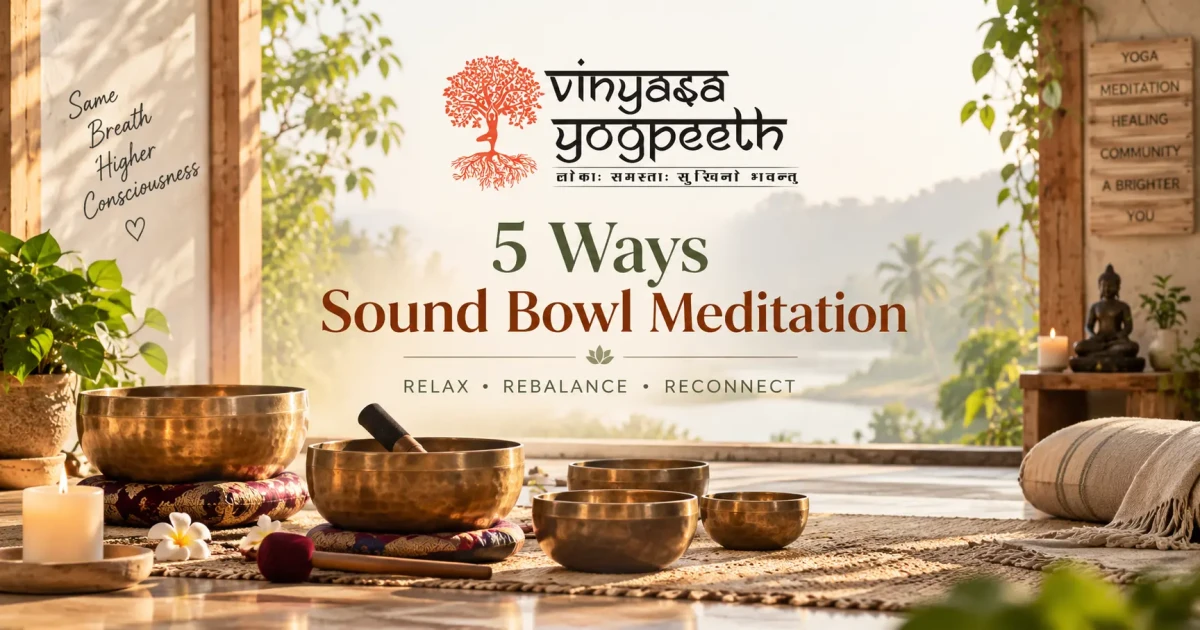
Traditional meditation using a singing bowl, sound bowl meditation, is a state of focused awareness and relaxation through the sounds and vibrations of the singing bowl. Strike a mallet gently on the bowl to produce a tone that is sustained around the rim. The practitioner takes note of what he hears, the vibrations it makes in his body, and the sensations that emerge, without trying to control them.
While singing bowls are very popular in Tibetan or Himalayan areas, modern meditations on sound also use other singing bowls and methods. This practice can be done when sitting, lying or as part of a guided group activity.
In an observational study in 2017 with 62 participants, having a session of singing bowl meditation resulted in decreases in tension, anxiety, fatigue and depressed mood, but the study design does not allow for the conclusion that the bowls themselves were responsible for this. Singing Bowl Meditation uses gentle sounds to calm the mind and body.
5 Ways to Practice Sound Bowl Meditation
There are no rules around practicing sound bowl meditation. The most appropriate technique will vary according to your reasons for wanting to develop concentration, relax before going to sleep, learn to be mindful of breathing, or to make an opportunity to be still in an otherwise busy day. Either a beginning or advanced practitioner can use any of the five techniques below.
1. Mindful Listening Meditation
One of the easiest ways to start meditating with the singing bowl is to listen mindfully. Sit comfortably, and gently play the bowl in several different ways, concentrating on the sound of the bowl as it starts, intensifies and slowly stops making noise.
Do not seek to produce any specific quality of sound, but rather observe the sounds' variations in pitch, intensity, resonance and length. Singing Bowl Meditation benefits include relaxation, better focus, and emotional balance.
If the mind strays, invite it to return to the next sound and/or to the remaining vibration. Begin with 5-10 minutes, then build up from there as comfortably as possible. This technique may be of benefit for beginners, as the sound provides a clear focus for the mind's attention.
2. Sound Bowl and Breath Meditations
This process involves breathing and slow, mindful breathing, paired with the sound of the bowl. Sit down in a comfy position and take slow, deep inhales while you listen to the bowl and observe how it fades, gently inhaling as the sound fades. You don't have to make the sound last as long as your breath.
The aim is to bring sound and breath into awareness through anchoring. Whenever thoughts come up, acknowledge them and return to the breath and the bowl. Playing for 5-15 minutes can facilitate a relaxed transition to meditation, yoga or relaxation. Sound Healing Meditation combines soothing sounds with meditation for inner peace.
3. Sounds of the Singing Bowl
Body scan is about bringing mindfulness to a particular part of the body with an anchor, namely sound. Sit or lie comfortably; sound the bowl and start paying attention around the legs and feet; gradually bring awareness back towards the abdomen, chest, shoulders, arms, neck and head.
No need to alter any feeling that occurs. Simply observe areas of tension, warmth, heaviness, tingling or relaxation while allowing the bowl's sound to bring your attention back whenever your mind wanders. It can be helpful for individuals who find it difficult to meditate using the silent body scan.
4. Sound on the Chakra or on the Energies
In chakra- or energy-based meditation practices, some of the sound meditations utilize singing bowls. Where the practitioner focuses attention on various areas of the body, listening to the sound and visualizing or breathing, or even using affirmations.
It is best considered a spiritual and/or complementary form of wellness, rather than a medical method for balancing or treating a given chakra-based condition. The first step is to sit down and select one area at a time and play in a relaxed way for 2-3 minutes. Use the sound as a "mindfulness cue" instead of attempting to get the body in a specific posture. If the exercise is useful for you, then the practice can be combined with a larger meditation or yoga session.
5. Guided Sound Bath Meditation
A sound bath is an extended session in which people typically recline or sit in a relaxed position and are attended by one or more of the sound practitioners who use bowls and other sound instruments. You can practice listening to the bowl without actually playing the instrument with your hands; listen instead for the sounds, and observe your breathing, thoughts and bodily sensations.
Duration will vary depending on the setting but can be around 20 minutes to an hour or more. It may be particularly fitting for individuals who prefer a directed loosening or feel more at ease meditating with an outside sound with which to concentrate. Studies on singing bowl interventions have suggested that it could affect anxiety, mood and sleep, although there is so far a limited number of studies and they are widely discrepant in methodology.
What do you need for Sound Bowl Meditation?
The only essentials are a singing bowl and a mallet or striker. A comfortable sitting or lying position, with little interruption, is also necessary.
A yoga mat, meditation cushion, blanket or eye mask can be used if it helps you to feel more comfortable. But accessories are not required. The essential element is having a safe, comfortable environment in which you can listen to the sound without unnecessary distractions. Tibetan Singing Bowl Meditation uses traditional bowl sounds to support deep relaxation.
Final Thoughts
There are a number of simple ways that can be used to integrate sound, breath and mindful awareness into a regular relaxation exercise, such as sound bowl meditation. These are all forms of meditation that can offer a unique experience with listening. These are all unique forms of meditation that can offer a unique experience in listening.
There is some research indicating that singing bowl practices can help relax the person, ease tension and may have a beneficial effect on anxiety and mood, but the evidence is still emerging and should not be exaggerated.